
xTool UV Direct Printing vs. UV DTF: 5 Strategic Insights for Your Flawless Production Success
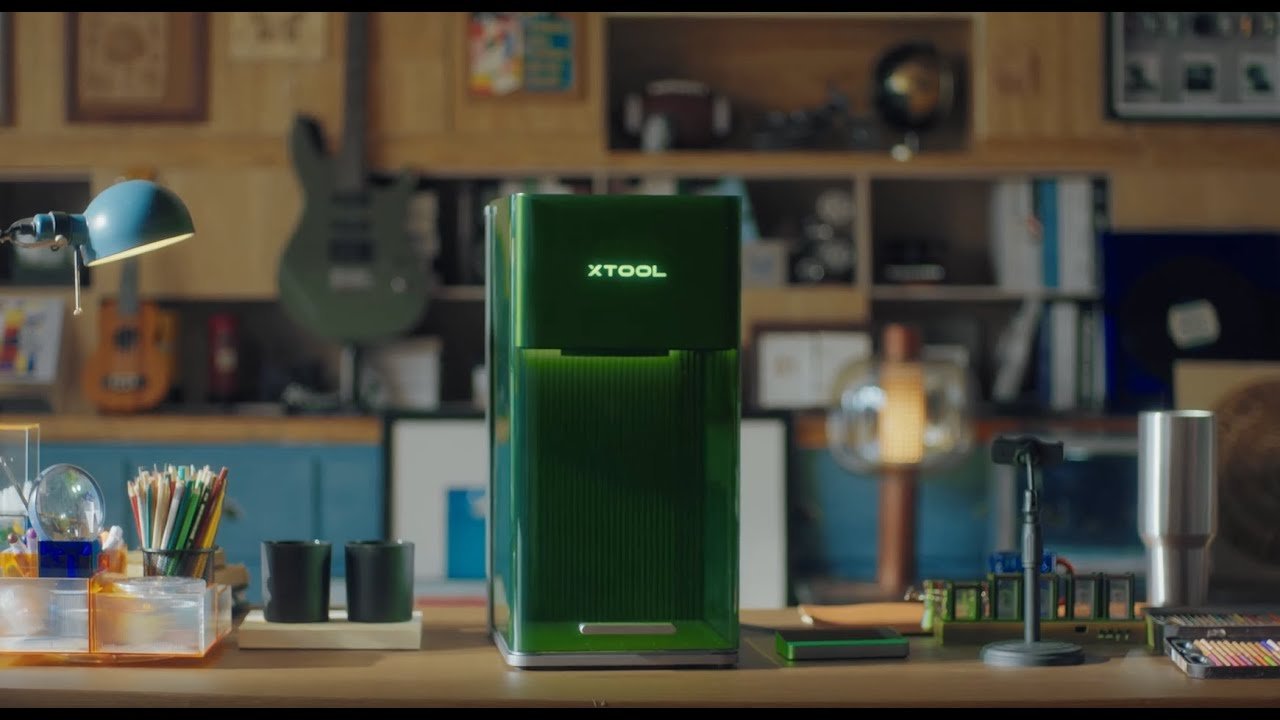
The landscape of UV printing has evolved. No longer restricted to flat signage, xTool UV technology now powers the professional customization of everything from industrial tools and electronics to bespoke leather goods and complex packaging.
For professionals and business owners, the challenge often lies in choosing between two primary methodologies: Direct-to-Object (DTO) UV Printing and UV DTF (Direct-to-Film) Transfer. While both utilize high-quality UV-curable inks, their mechanical workflows and substrate compatibilities differ significantly.
This guide breaks down the technical nuances of the xTool UV ecosystem to help you invest in the right process for your specific application. If you are looking to source high-performance machinery or precision components to kickstart your project, explore the professional catalog at Mechblock.in.
1. Understanding xTool Direct-to-Object (DTO) UV Printing
In the xTool DTO workflow, the substrate is placed directly onto a precision flatbed or a specialized rotary attachment. Advanced piezoelectric printheads dispense xTool UV-curable inks (CMYK, White, and Varnish) which are instantly cured by integrated UV LED lamps.
The Precision of xTool UV LED:
Modern xTool systems favor UV LED over traditional mercury lamps because they emit "cold" light. This allows for high-speed printing on heat-sensitive materials like thin plastics, delicate films, or organic wood without the risk of warping or heat damage.
Best For: High-volume batch production, intricate textured/embossed 3D effects, and items with flat or slightly curved surfaces (phone cases, acrylic awards, metal plates).
The xTool Advantage: With a 150mm Z-axis clearance, the xTool UV printer can handle thicker objects that standard flatbeds cannot touch.
Pro Tip: If you're building or maintaining your own specialized printing rig, check out the precision parts available at Mechblock.in to ensure peak mechanical accuracy for your xTool-driven production line.
2. Understanding UV DTF (Direct-to-Film)
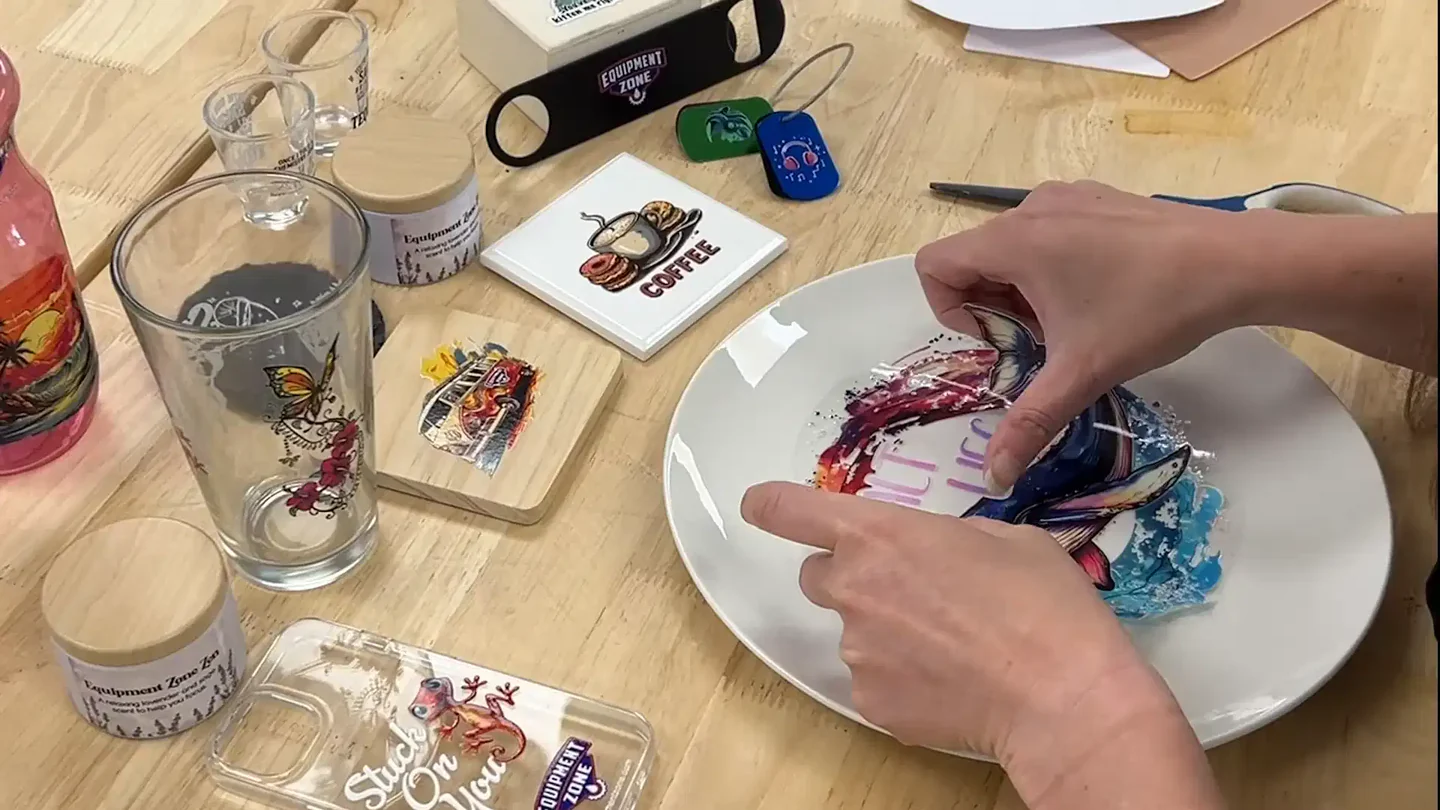
UV DTF is a two-step "sticker" transfer method. Designs are printed onto a specialized "A-film," laminated with a "B-film," and then manually transferred to the target object.
Best For: Irregular geometries, oversized items that won't fit in a printer bed, and "on-demand" labeling.
Unique Advantage: It excels where the printhead cannot reach—such as the deep curves of a helmet or the recessed handle of a specialized tool.
Comparative Analysis: DTO vs. UV DTF
| Feature | Direct-to-Object (DTO) | UV DTF (Transfer) |
| Surface Geometry | Limited to flat or rotary-supported items. | Virtually unlimited; works on any smooth, hard surface. |
| Durability | Industrial Grade. Chemical bond with substrate. | High. Reliable, but depends on adhesive quality. |
| Workflow Speed | Fast. Single-stage automated process. | Moderate. Requires manual lamination and peeling. |
| Tactile Effects | Superior. Can create "3D" textures via ink layering. | Flat/Glossy. Limited textured depth. |
| Operating Cost | Lower per-piece cost (no transfer films needed). | Higher due to A/B film consumables. |
Key Decision Factors
I. Geometry and Access
If your object is irregular, has steps, or features complex recessed areas, UV DTF is the logical choice. Because the design is transferred via film, you are not restricted by the physical clearance of a printer’s gantry.
II. Throughput and Automation
For mass production of uniform items—like branded power banks or coasters—Direct UV Printing is the undisputed winner. It minimizes human labor and maximizes output speed. For those scaling their production lines, Mechblock.in offers the hardware and support needed to maintain high-efficiency operations.
III. Durability Requirements
Direct UV printing offers superior scratch resistance because the ink bonds directly to the material. For items subject to heavy mechanical wear, DTO is preferred. UV DTF is excellent for lifestyle products and decorative items where extreme abrasion is less of a concern.
Conclusion: Complementary Technologies
UV Direct Printing and UV DTF are not competitors; they are complementary tools in a modern manufacturing toolkit. DTO provides the speed and durability for standard products, while UV DTF unlocks the ability to brand the "unprintable."
Choosing the right method depends on your batch size, object shape, and budget. To find the right equipment and technical components to fuel your innovation, visit our main site at Mechblock.in.